
Cross-Border Asset Allocation: A Required Course for Chinese Entrepreneurs
Many bosses have built thriving businesses, yet their asset allocation is stuck ten years in the past. Cross-border asset allocation isn't about moving money out — it's about giving yourself a second leg to stand on: a defensive account to hedge the tail risks of a single currency and a single market, and a division of labor across Shanghai, Hong Kong and Dubai to assemble a complete cross-border map.

A New Oligarchs' Manifesto: The 'Compute Wall' and the First Signal of AI Monopoly
Anthropic calls for slowing AI development while preparing a $2 trillion IPO; Nvidia is at once supplier, investor and anchor buyer. When chips, capital and the power to define 'safety' close ranks, the 'compute wall' is shutting the door on latecomers — the first clear signal of the AI monopoly era.
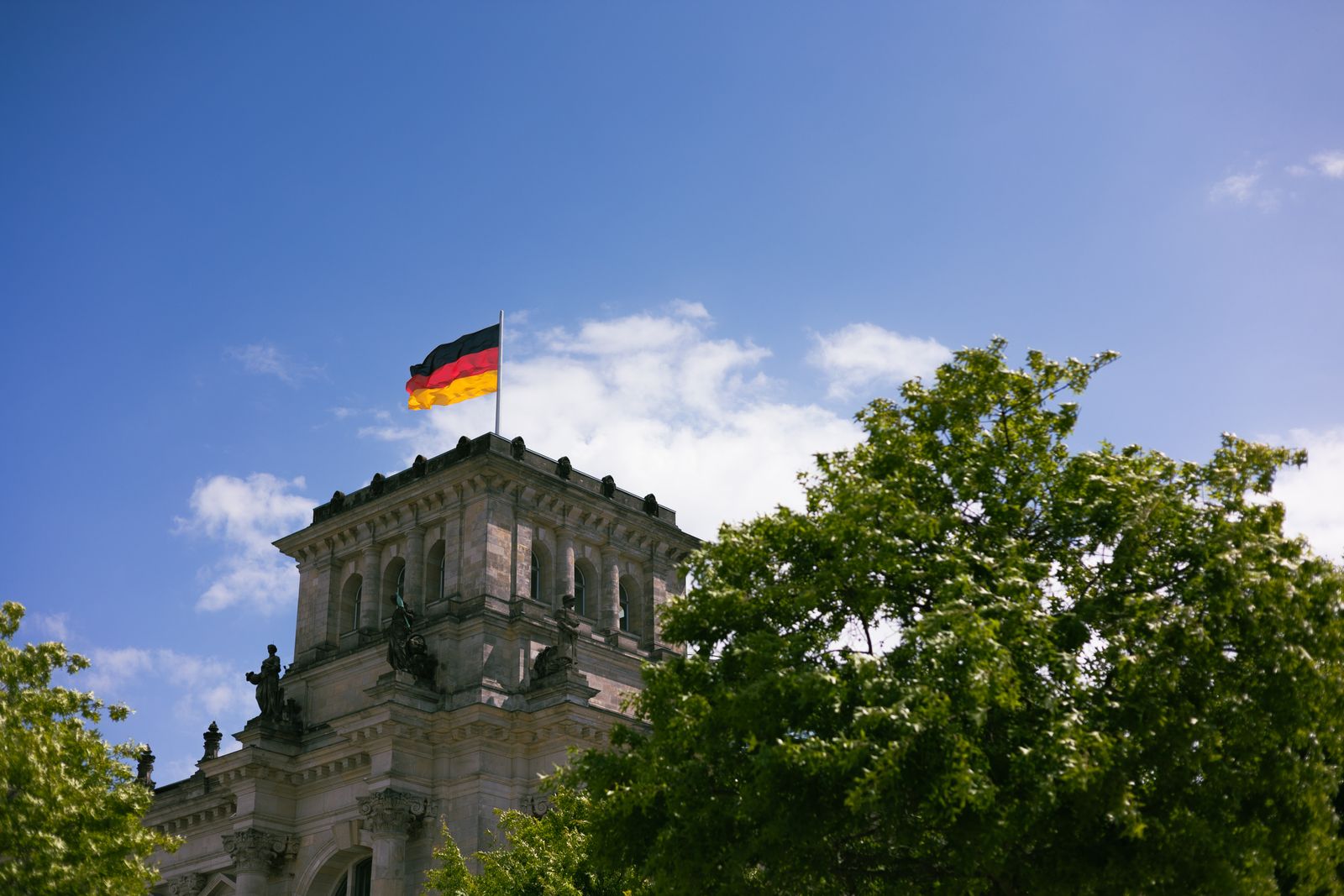
The Rightward Wave's Qualitative Shift: From Ripples to a Tsunami
The AfD took 43.8% in Saxony-Anhalt's state election, just three seats short of governing alone. As the right-wing wave spreads from small countries to the great powers, the coordinate system has changed for anyone managing global assets or going abroad — starting with how Europe treats Chinese imports and Chinese investment.
Moonshot AI's Confidential Filing: A Positioning Battle It Cannot Afford to Lose
Moonshot AI has confidentially filed for a Hong Kong IPO at a $50 billion valuation. What truly matters isn't that another large-model company is going public — it's the competitive law it reveals: for large-model companies, going public is essentially a positioning battle to match peers' funding capabilities and race ahead of rivals.

Going Global in the Middle East, Lesson One: Culture Is Not the Barrier — Arrogance Is
The first hurdle for Chinese companies going into the Middle East isn't cultural difference — it's mindset. Efficiency, agents, negotiation, and face: four places where businesses stumble all trace back to one mistake — treating the way things are done at home as a universal rule.

The Second Curve for Chinese Tech Companies Going Global: From Exporting Products to Exporting Capabilities
Chinese tech companies going global are cultivating a second curve — shifting from selling products to selling capabilities. Technology, engineering, standards, and industrial organization are now being exported wholesale as “solutions.”

The Hang Seng Tech Index's Biggest Reform Since Launch: From 'Food Delivery Index' to 'Frontier Tech Index' — What Is Hong Kong Fighting For?
The Hang Seng Tech Index is undergoing its biggest reform in six years: constituents expand from 30 to 50, and artificial intelligence and frontier technology become standalone themes for the first time. Beneath the surface lies a battle over asset pricing power.

High-End Valves: An Underrated Golden Track in the Middle East
As the Arab world expands its refining capacity on a massive scale, the unglamorous business of high-end valves is turning into a seller's market — an underrated golden track in the Middle East.

The Refinery on the Red Sea: The Energy Industry's Reckoning Behind an Attack
An attack on the Jazan refinery is, beneath the surface, the repricing of an entire energy supply chain. Striking an oil field and striking a refinery are two very different things.

Setting Off Again After Fifty Years: Artemis and a Deliberately Low-Key New Space Race
When Artemis II launched on April 1, 2026, NASA's command center erupted. The Orion spacecraft carrying four astronauts was flying along lunar orbit — humanity's first return to lunar orbit in 52 years.

One War, Four Fissions: How the Iran Conflict is Rewriting the Underlying Logic of Global Geopolitics
Suppose early 2026, the US-Israeli coalition launches massive airstrikes on Iran, and the Supreme Leader is killed in the early stages of the conflict — this would be the largest political decapitation in modern Middle Eastern history.

The Hormuz Navigation Dispute: Malaysia vs. Singapore and ASEAN's Deepest Diplomatic Rift
The public dispute between Malaysia and Singapore over Hormuz Strait navigation rights reveals two fundamentally different geopolitical philosophies within ASEAN.
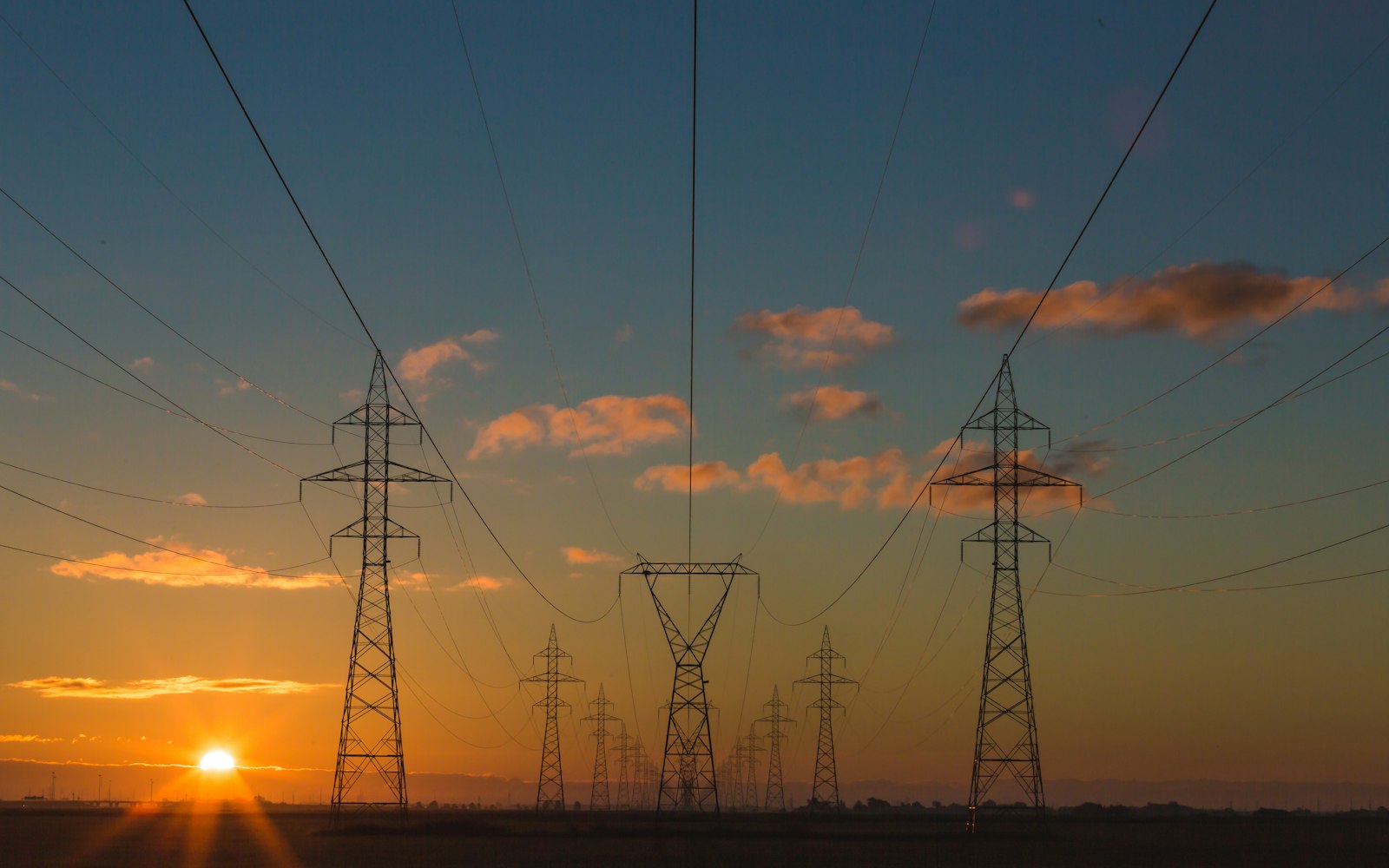
Small Gas Generator Sets: The Underestimated Energy Winner of the AI Era
Everyone is talking about computing power, chips, and data centers in this AI wave, but few are seriously watching electricity. Those selling generators may be the most understated winners of this market cycle.

From Oil Crisis to Hormuz Game: Energy Geopolitics Revisited
In October 1973, long lines at American gas stations stretched for miles, drivers waiting hours to fill a tank—this is the collective memory left by the first oil crisis. Fifty years later, when traffic through the Strait of Hormuz dropped from 130 vessels daily to just 6, and oil prices surged 60% in a week, history seems to be repeating itself in an astonishing way.

Unprecedented Hog Cycle: Cyclical Opportunities Amid Deflation
In early April, news that "Hainan live pig prices fell below 4 yuan/jin" exploded in the industry. Below 4 yuan is not a price trough—it's a price abyss. Vegetables more expensive than meat, pork cheaper than greens—this isn't irony, it's the reality of China's pig farming industry in 2026.

What Should You Do with your portfolio if "They" arrive?
The US government quietly registered two domains: alien.gov and aliens.gov. Tennessee Congressman Tim Burchett, after the latest classified alien briefing, said: "If the public hears this content, I think the whole country would descend into chaos.

The Farthest 10,000 kilometers, Betting hundreds of Billions
On April 6th, Artemis II astronauts woke up 65,000 miles from Earth, testing their spacesuits, waiting for tomorrow's lunar flyby. The media calls it a "historic moment" - true, but only half of story. The other half is: how do we account for this?

Peaceful Years, Qingming in Ninghai
Before and after Qingming, the mountains in eastern Ninghai are a deep green. The light rain doesn't become rain, the air is moist, the azaleas by the roadside bloom densely, red with a bit of silence.
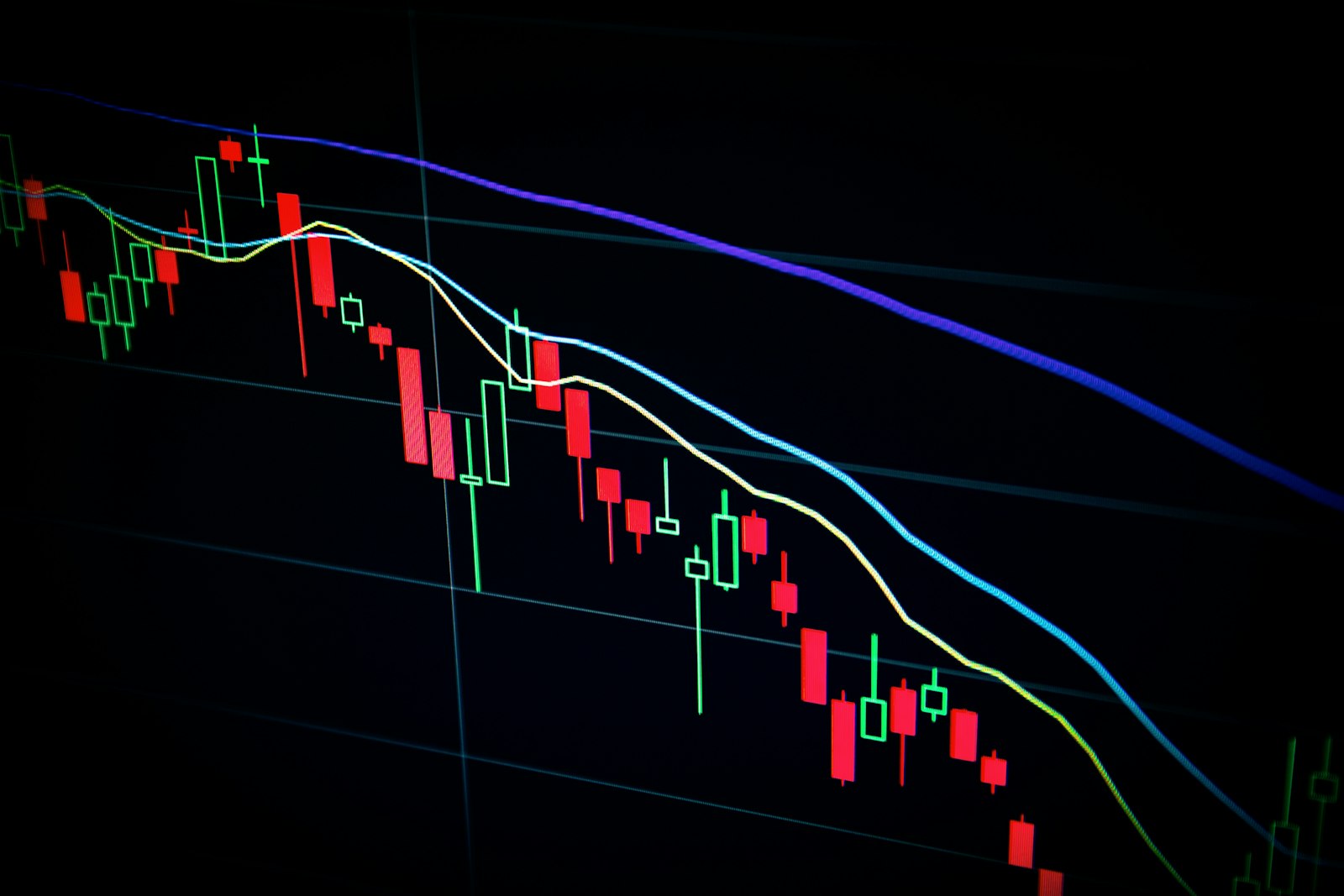
The Next Landmine: Buried in Private Credit
Someone who lived through Lehman's collapse says he's smelling something familiar.

Oman's Long list and the Middle East's order vacuum: New Opportunities for Chinese Manufacturing
A long procurement list reflects a Middle East power structure in reconstruction.
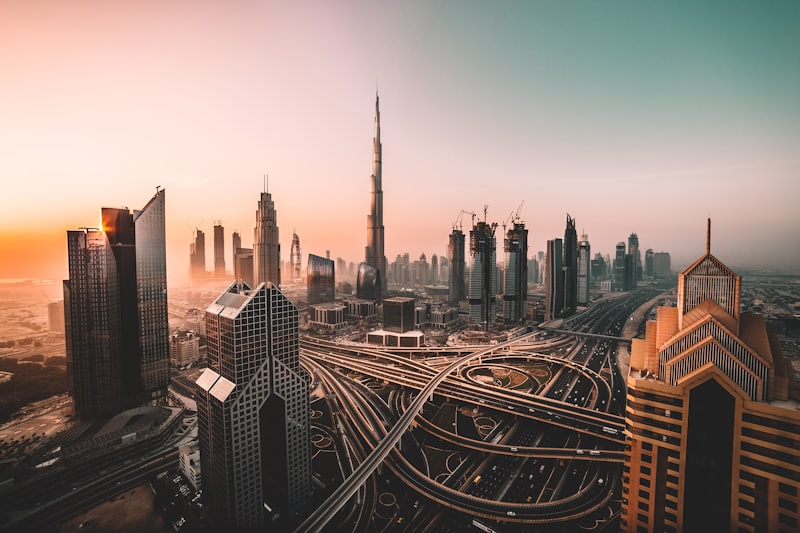
Business Beyond the Battlefield: Chinese Opportunities in Chaotic Middle East
Outside is war, inside is business negotiations. This isn't indifference, this is clarity. One meeting pulls out three threads: How to enter the Middle East market? Who is leading the capital flow? Why is it China?

2024 Asian Market Investment Outlook
Outlook on 2024 Asian market investment opportunities, analyzing investment potential and risks in China, Southeast Asia, Japan and and regions. In the context of global economic changes, Asian markets present unique investment value.
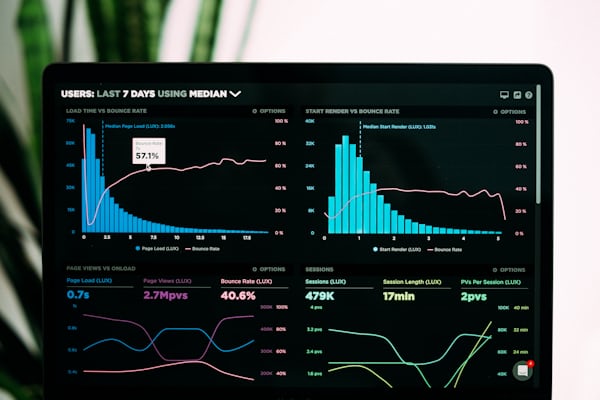
Long-term Logic of Value Investing
Sharing 25 years of investment career understanding of value investing, and how to maintain calm in market volatility. True value investing requires patience and independent thinking.
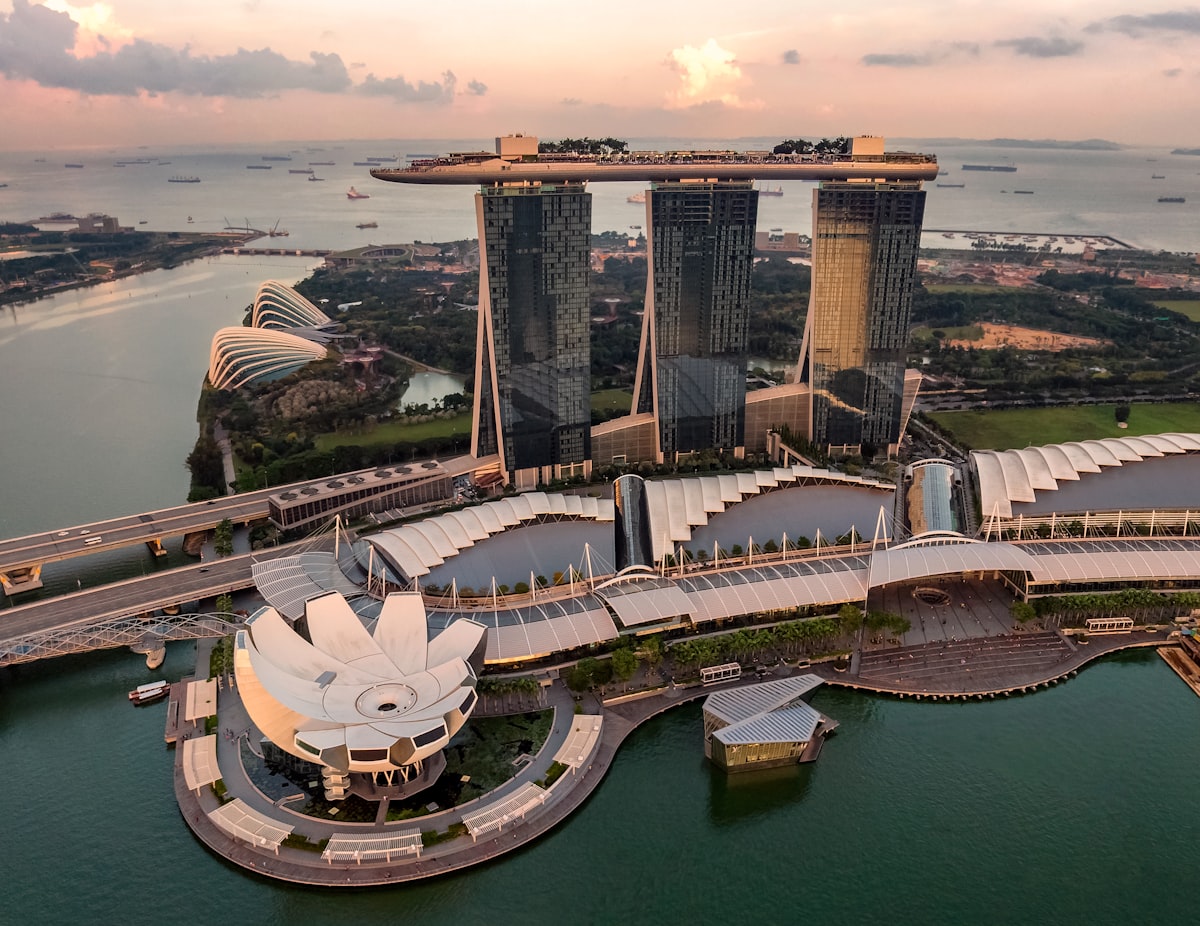
Southeast Asian Economic Rise and investment opportunities
in-depth analysis of Southeast Asian economic development trends and regional investment opportunities. Investment strategy with Singapore as a hub.
Global Energy Transition Investment from a Middle East Perspective
Observing global energy transition investment opportunities from Dubai. Balancing traditional and new energy investments.

Japan's market revival and corporate governance reform
Analyzing the value revaluation opportunities from Japan's corporate governance reform and Tokyo market investment strategies.